

Car marketers know exactly what they want: more leads, more sales, and a stronger brand. But there is a major roadblock in the way. Most teams still struggle to prove which parts of their plan are actually working.
According to recent industry data, the number one challenge for automotive marketing teams is measuring and keeping track of ROI. Even more telling is that the average confidence in these measurements is only a 6 out of 10.
This means marketers are making huge decisions based on a blurry picture. This is a deep structural problem and not a reporting glitch.
The Industry Knows the System Is Broken
A survey of 50 automotive marketing pros shows a very consistent pattern. When asked about their biggest hurdles, they ranked them in this order:
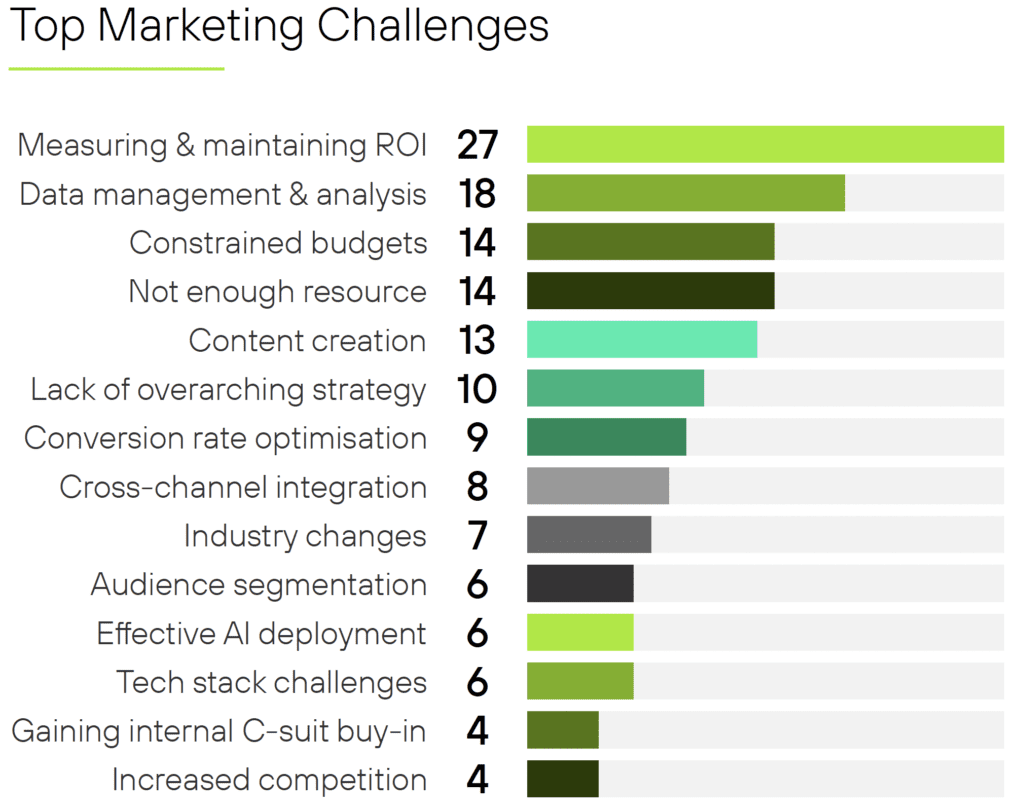
The results show that while marketers are under pressure to grow, the tools they use to prove their success haven’t kept up. Without clear proof of what works, even great campaigns can look like failures, while bad investments keep burning cash.
Why Tracking a Car Sale Is So Hard
The root of the problem is that buying a car is complicated. Unlike buying a pair of shoes online, buying a vehicle involves months of research and dozens of different steps both online and in person.
Three main issues make it hard to see the full picture:
- Messy Customer Journeys
People rarely buy a car after one search. A typical buyer might watch a YouTube review, compare models on a third party site, click a Google ad, visit the brand website, and then finally walk into a dealership weeks later. Most tracking tools only see a tiny piece of that puzzle.
- The Power of Third Party Sites
Marketplaces and comparison sites are huge in this industry, but they create a “black hole” for data. When a customer spends time on these sites before ever visiting a dealer’s website, marketers lose track of where that person came from and what actually convinced them to buy.
- The Online to Offline Gap
This is the biggest hurdle. Most marketing is digital now, but the actual sale usually happens on a showroom floor. If dealership visits, phone calls, and test drives aren’t linked back to the original ads, the ROI reports will always be wrong.
The Real Cost of Bad Data
When you can’t connect your work to actual revenue, it affects your entire strategy. Without clear proof, budgets get assigned based on guesses. This often leads to overspending on “easy to track” channels like paid search while ignoring brand building activities that actually drive long term interest.
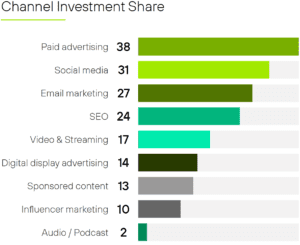
The survey shows that marketers are still pouring money into social media, email, and SEO because those are easier to measure. But those channels don’t tell the whole story of how a customer decided on a specific car.
Measurement Has to Come First
Car marketers have big goals. They want more leads and better customer experiences. But hitting those goals takes more than just a bigger ad spend, it takes clarity.
The most successful teams are the ones that fix their data before they scale their spending. This means:
- Building better ways to track the whole customer path
- Connecting online clicks to offline sales
- Making sure your goals match real business results
- Using dashboards that show the full story
Without proper measurement, every marketing move is just a guess. In a world where competition is tough and budgets are tight, those guesses are just too expensive.
Want the full breakdown of trends?
👇
Talk To Our Experts
Please submit your details and as much information as you can on what you would like to discuss:
required information